Observe
Gather signals
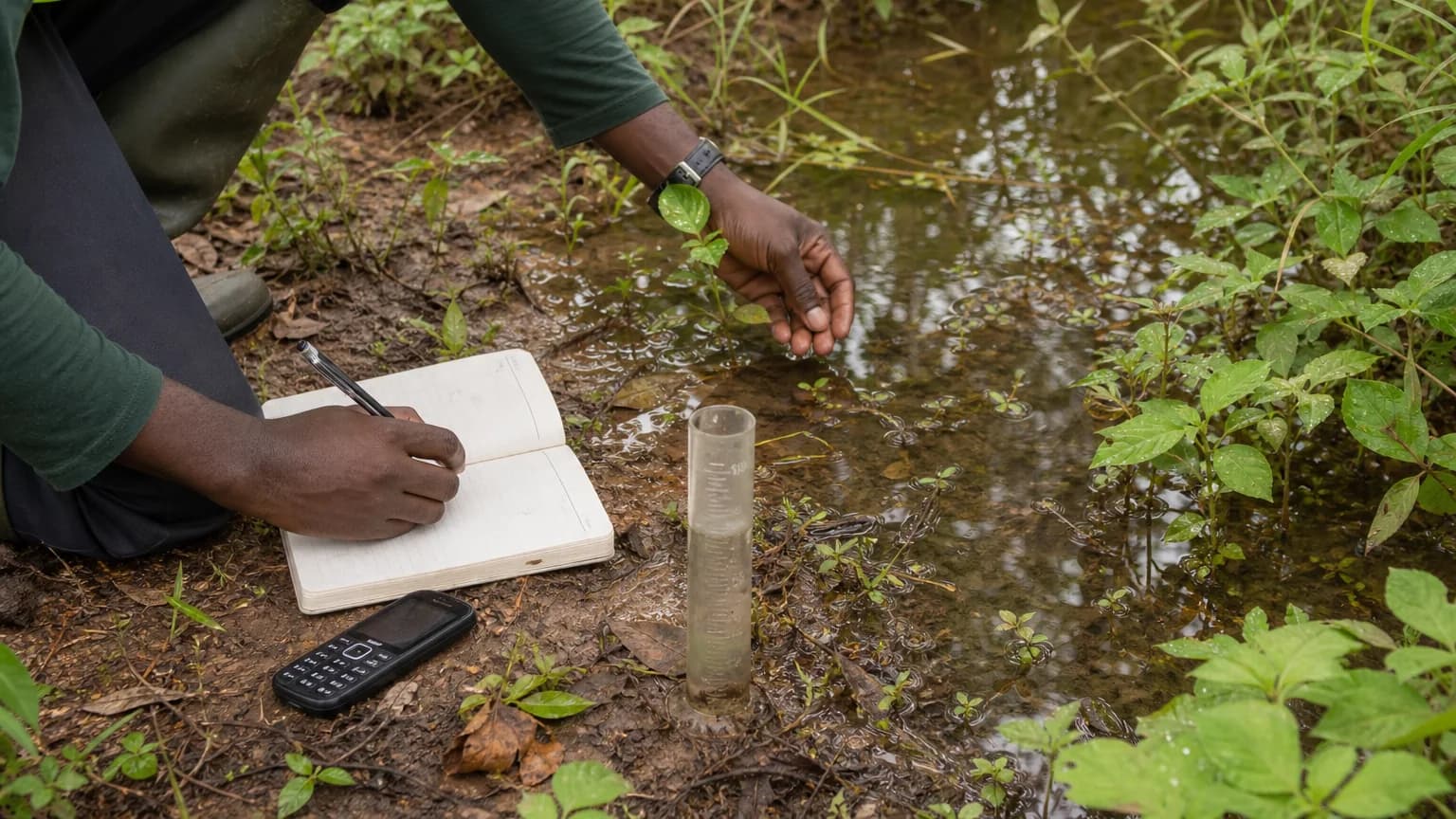
Combine relevant weather, environmental, health-surveillance and community observations.
How MalaAlert works
Watch changing weather, community health and ecological cues turn into a validated outlook, clear guidance and earlier prevention without replacing clinical care.
The inputs
The proposed model combines multiple sources and tests them against observed malaria trends. Indigenous ecological knowledge complements, rather than replaces, climate and public-health evidence.
01
Rainfall, temperature, humidity, flooding and short-range forecasts.
02
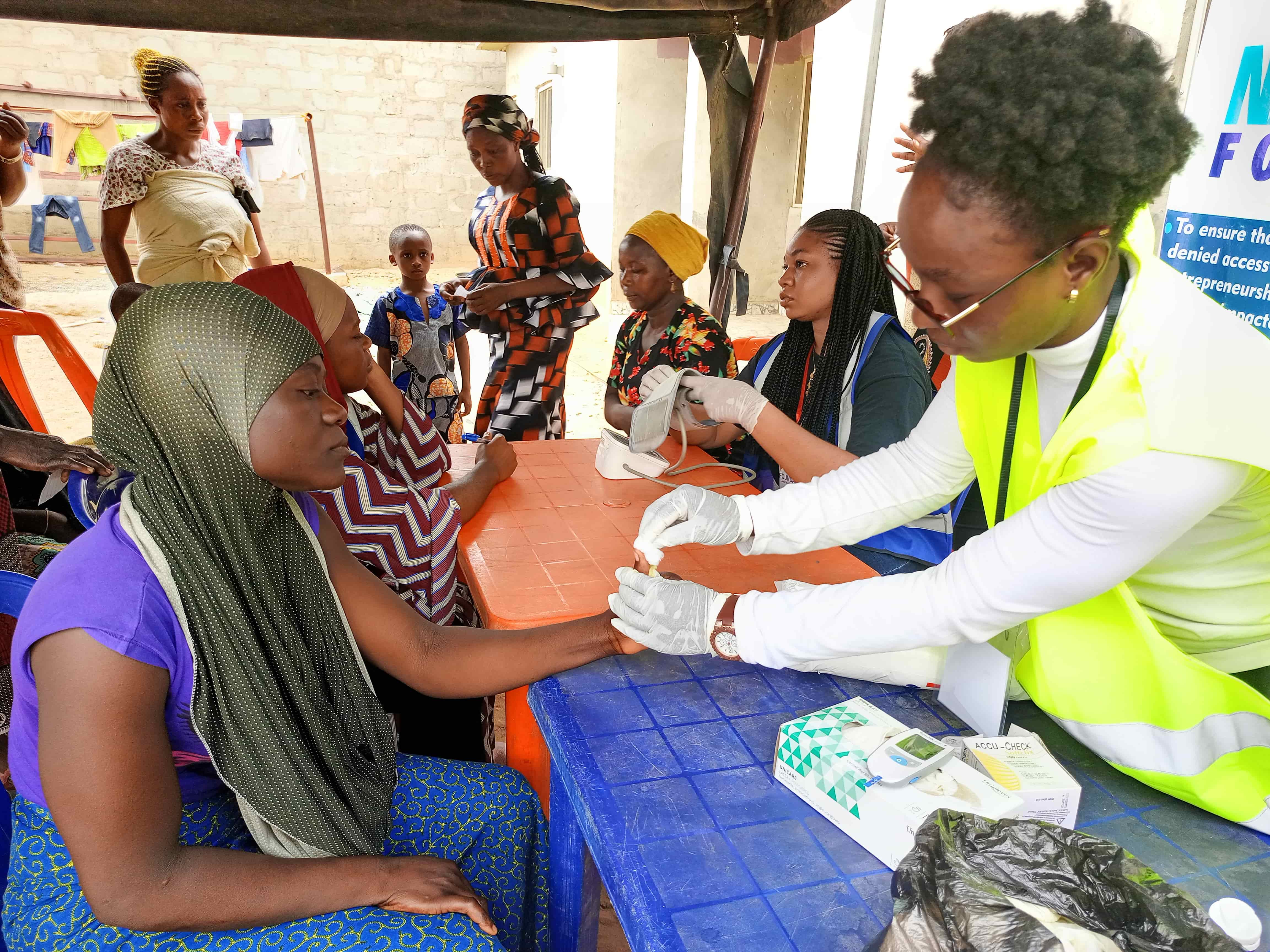
Locally reported malaria trends and observations from frontline health workers.
03
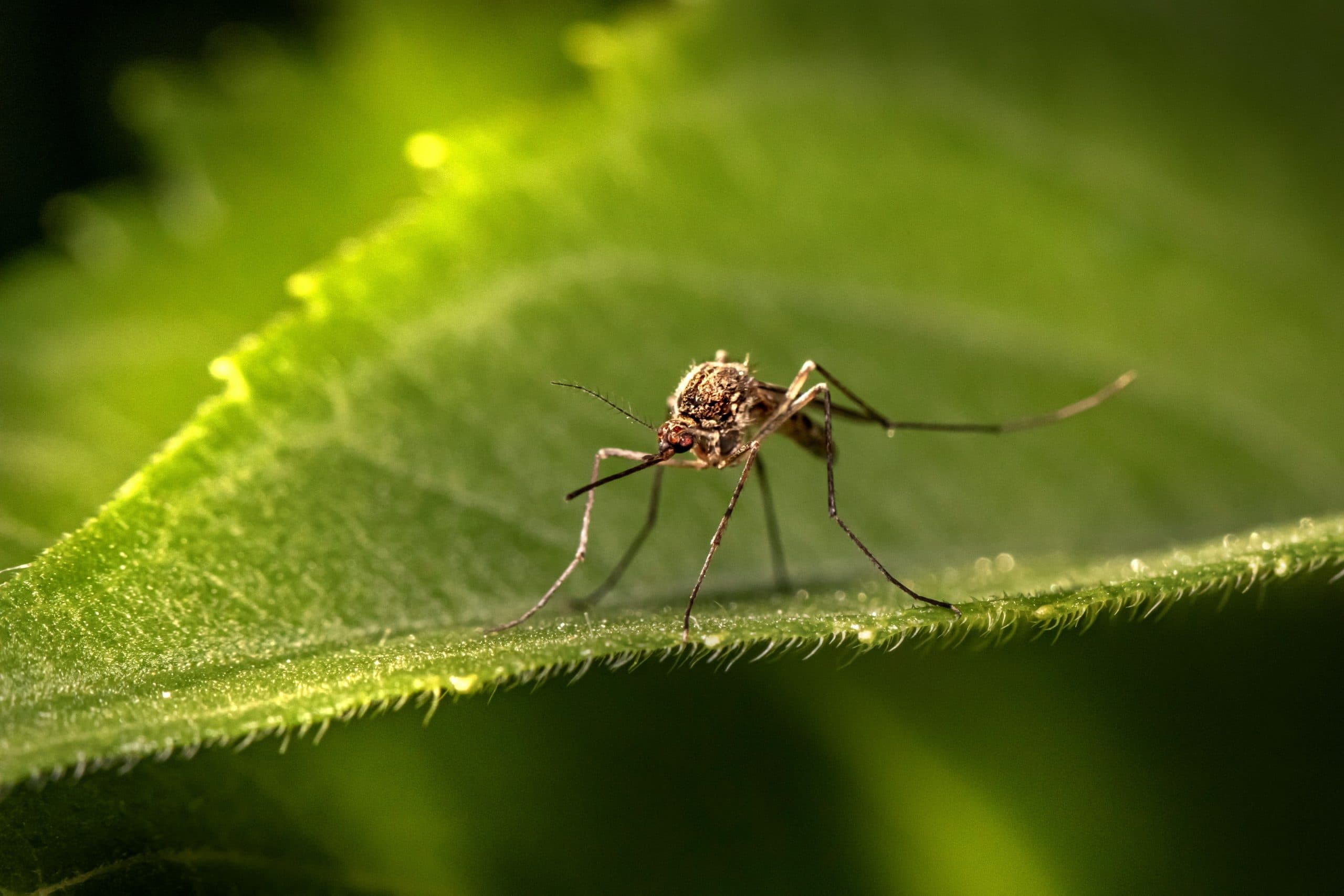
Seasonal vegetation, insect behaviour and place-based environmental indicators.
The warning cycle
Observe
Gather signals
Combine relevant weather, environmental, health-surveillance and community observations.
Estimate
Generate a localized outlook
Model how changing conditions may affect mosquito breeding and malaria risk in a specific area.
Validate
Check against local reality
Compare forecasts with observed trends and feedback from health workers and communities.
Communicate
Send a clear warning
Explain risk level, timing and recommended actions in accessible, culturally relevant language.
Respond
Coordinate prevention
Support sanitation, breeding-site elimination, net use, awareness and timely testing.
Learn
Improve continuously
Use delivery data, user feedback and observed outcomes to refine the model and response protocol.
Delivery
Short, practical messages that work on basic mobile phones.
Shareable alerts and prevention guidance for connected households.
Local-language broadcasts for people beyond mobile data coverage.
Trusted, face-to-face guidance and coordinated community action.
From method to product
This page explains the warning method. Explore Solutions for the community interfaces, field-coordination tools, decision-intelligence previews and responsible technology foundations designed around it.
Explore MalaAlert solutionsResponsible by design
Health and climate partners help assess model outputs and response guidance.
Only information necessary for the warning system should be collected and accessed.
Risk outlooks communicate that predictions are estimates, not guarantees.
Alerts support prevention and preparedness; they do not diagnose or replace care.
We welcome conversations with community organisations, health institutions, climate experts and responsible technology partners.
Explore a partnership