
MalaAlert
An early warning before malaria risk rises.
Climate, community health and indigenous ecological signals become localized guidance so communities can prepare earlier.
Why this matters
Malaria risk is changing. Local response is still too reactive.
Rainfall, flooding, heat and humidity can change mosquito ecology quickly, while conventional surveillance often becomes visible only after transmission has begun.
Weather forecasts are not yet practical health guidance.
Communities need trusted, localized information that connects changing climate conditions to specific preventive action—not another stream of technical data.
Signal 01
Climate and weather
Rainfall, temperature, humidity, flooding and short-range forecasts.
Signal 02
Community health signals
Locally reported malaria trends and observations from frontline health workers.
Signal 03
Indigenous ecological knowledge
Seasonal vegetation, insect behaviour and place-based environmental indicators.
From signal to action
Climate intelligence that ends in a practical next step.
MalaAlert is designed as a connected prevention layer for communities and frontline health teams, not simply a prediction dashboard.
01
Read the changing environment
MalaAlert brings together weather, flooding, community health and local ecological observations.
02
Estimate localized malaria risk
A predictive model is designed to detect conditions associated with mosquito breeding and elevated transmission.
03
Translate risk into a clear alert
Technical signals become timely messages that explain the risk level, location and practical next steps.
04
Coordinate preventive action
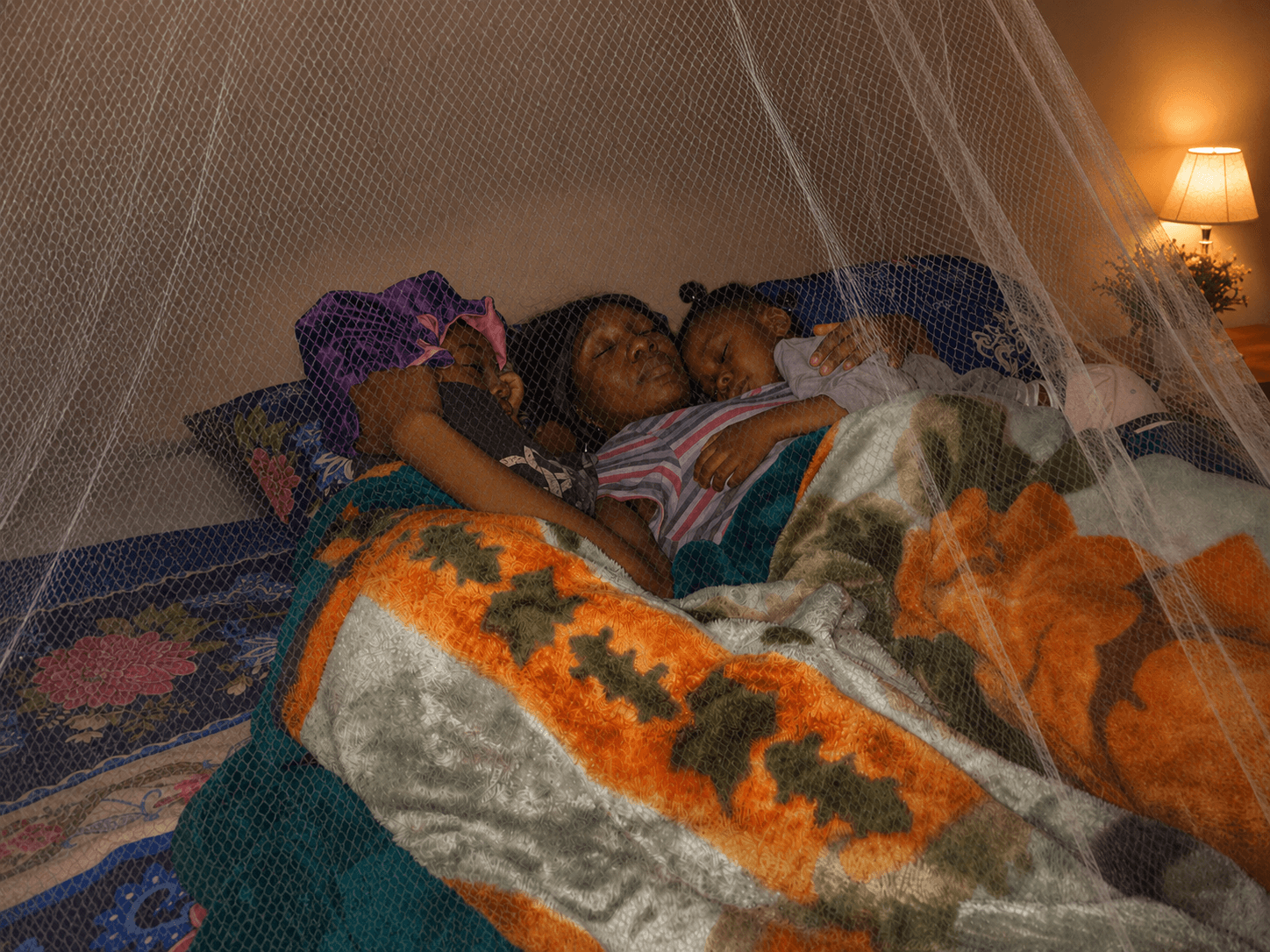
Households, health workers and local leaders can act earlier through sanitation, net use, awareness and testing.
Useful, not technical
The alert explains what changed, and what to do now.
Risk information is translated into concise, culturally relevant prevention guidance. Community health workers and local leaders receive context for coordinating sanitation, awareness, net use and timely testing.
Explore the warning systemDesigned for access
One warning. Multiple trusted ways to receive it.
Digital access should not determine who can prepare. MalaAlert combines low-bandwidth channels with trusted community networks.
01
SMS
Short, practical messages that work on basic mobile phones.
02
Shareable alerts and prevention guidance for connected households.
03
Community radio
Local-language broadcasts for people beyond mobile data coverage.
04
Frontline health workers
Trusted, face-to-face guidance and coordinated community action.
Who it serves
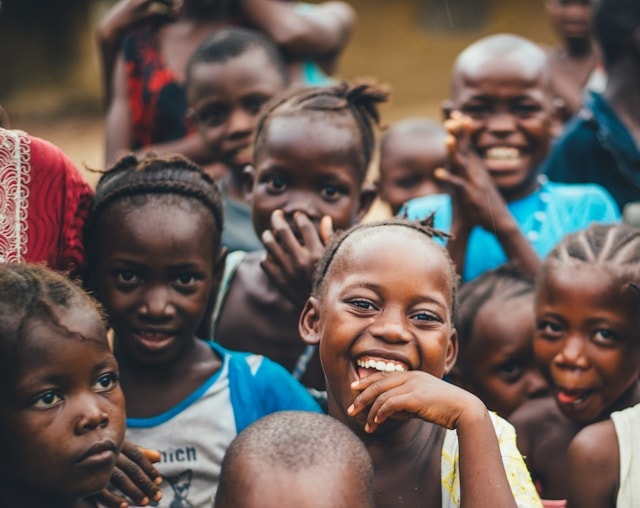
Built around the people climate-sensitive malaria affects first.
Community members help shape local indicators, alert language, delivery channels and response actions throughout design and validation.
Families at higher risk
Pregnant women, children under five, rural and low-income households.
Climate-vulnerable communities
Including displaced and conflict-affected populations across Plateau State.
Local health teams
Community health workers, primary healthcare centres and environmental officers.
Proof-of-concept goals
Clear targets for learning, validation and community usefulness.
These figures are planned targets for a 24-month proof-of-concept. They are not reported results.
10,000
people reached with localized alerts
100
frontline health workers and local stakeholders trained
80%
target predictive accuracy against observed malaria trends
70%
target household action on prevention guidance
Early-access solutions
Explore a connected toolkit for warning, coordination and learning.
MalaAlert is opening community early warning, field coordination and decision-intelligence capabilities for structured co-design and controlled validation.