Led locally
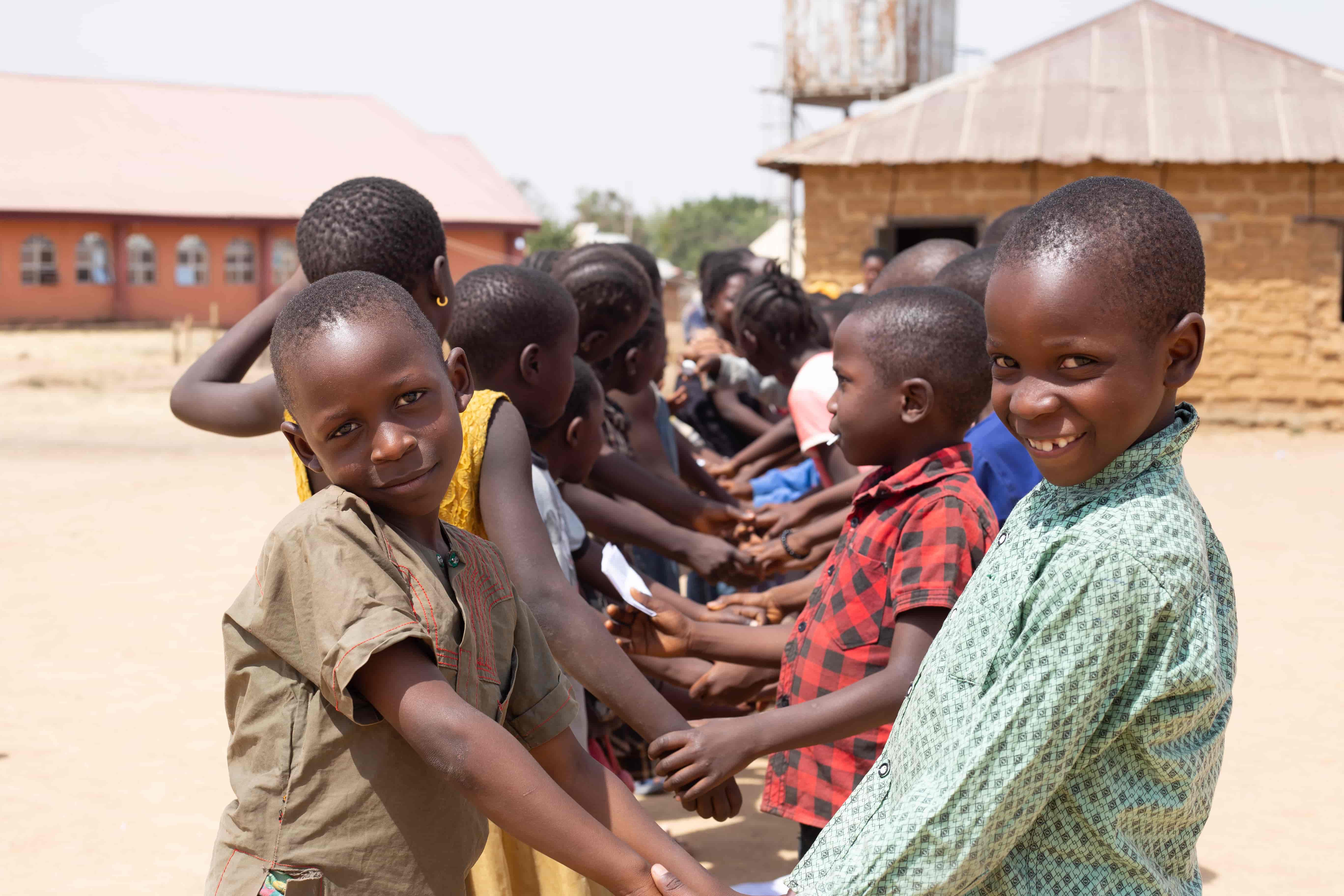
Decisions are shaped by people who live and work in the implementation context.
About MalaAlert
MalaAlert is a community-led initiative of Naza Agape Foundation, designed in response to the changing malaria risks experienced by climate-vulnerable communities in Plateau State.
Why we are building it
Communities already observe seasonal changes, insect behaviour and environmental conditions. Health workers understand local transmission patterns. Climate agencies interpret rainfall, heat, humidity and flooding. Yet these sources rarely meet in one practical warning system.
MalaAlert is intended to close that gap: connecting evidence and lived knowledge, then translating it into localized guidance that households and local health teams can act on before risk becomes an outbreak.
The lead organisation
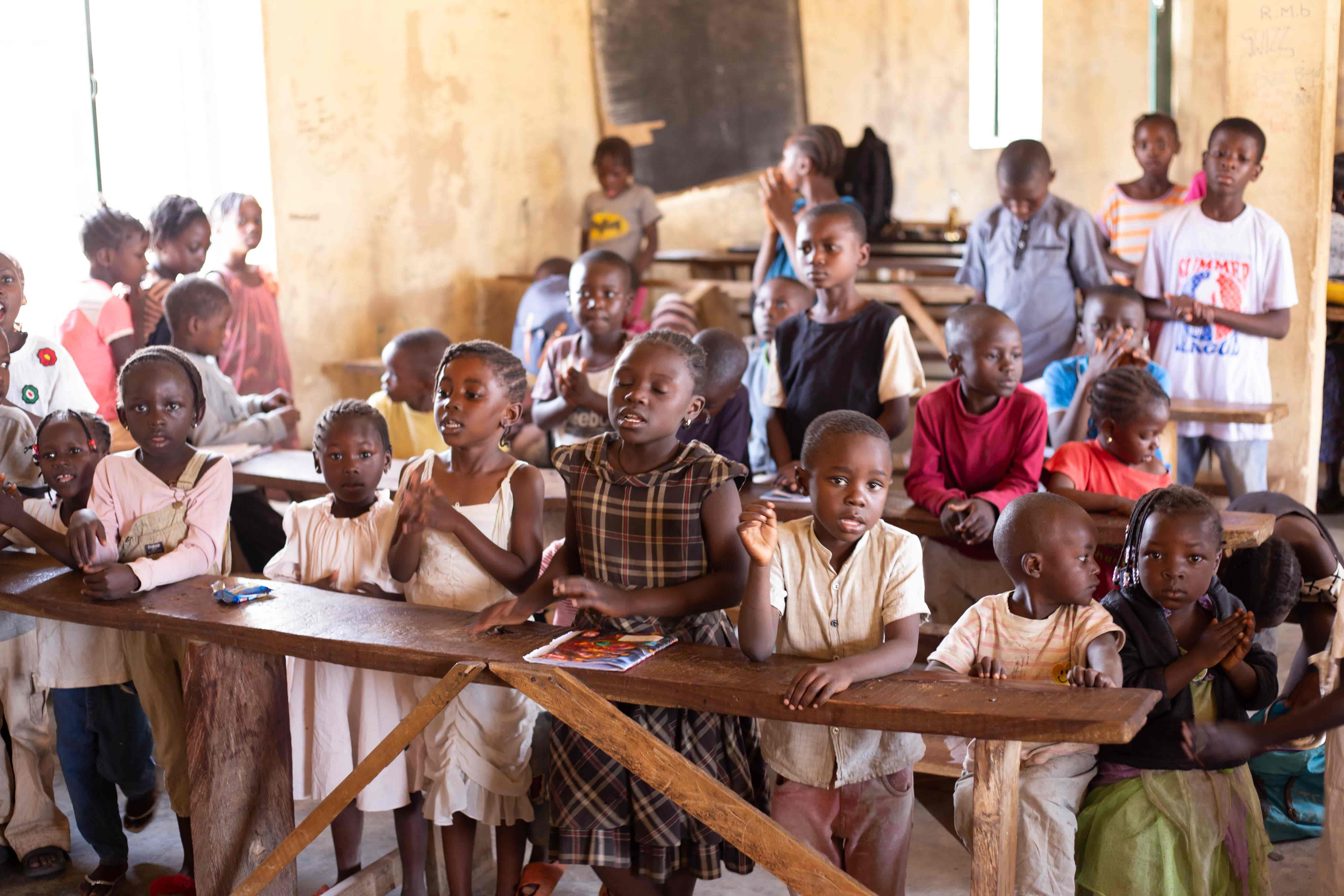
Naza Agape Foundation is a Nigerian-led, community-based organisation working in Plateau State since 2018. Its programmes span health, education, women's empowerment, livelihoods and humanitarian support.
The Foundation reports reaching more than 20,000 vulnerable people and has built relationships with community leaders, women's groups, schools, primary healthcare centres, youth groups and local authorities.
MalaAlert is led by Prayer Nwagboso, Founder and CEO of Naza Agape Foundation, with experience in programme leadership, partnership development, community mobilisation, advocacy and social innovation.
Our principles
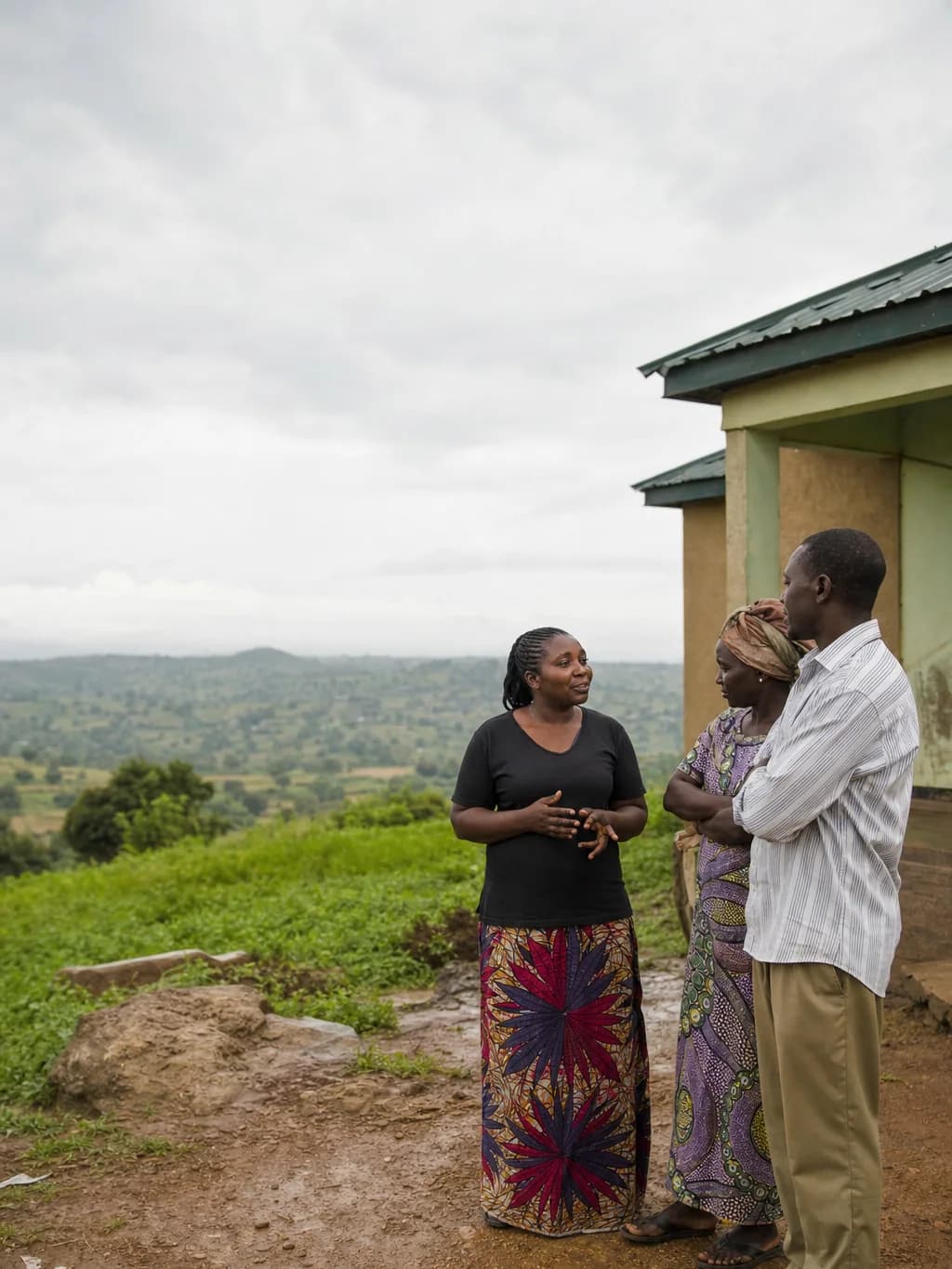
Decisions are shaped by people who live and work in the implementation context.
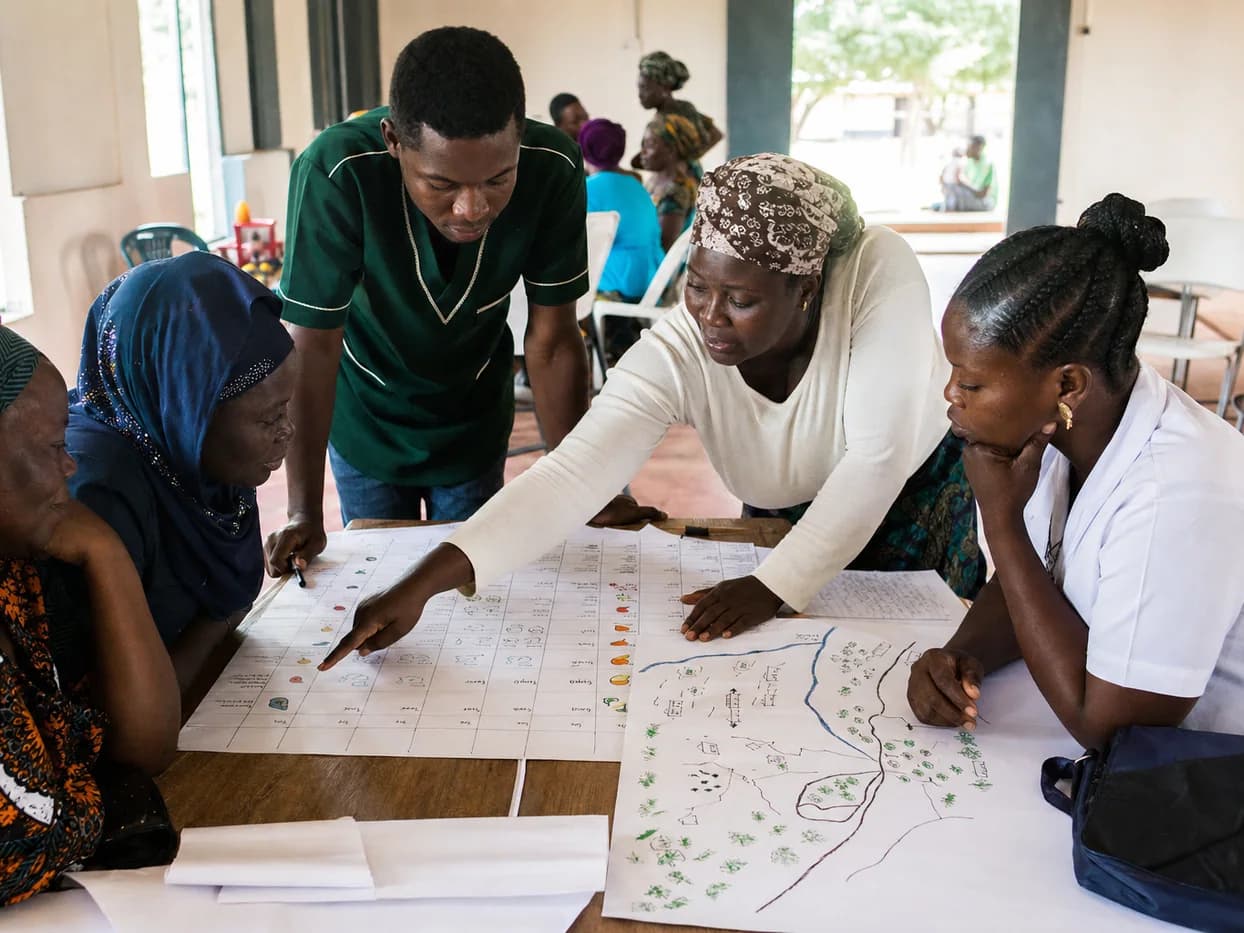
Residents, women, youth and frontline workers help define indicators, messages and response actions.
Low-bandwidth channels and face-to-face networks help reach people with limited connectivity or literacy.
Forecast performance, usability, fairness and practical value are evaluated before wider use.
Collaboration model
Role 01
Contribute local knowledge, validate indicators and shape accessible risk communication.
Role 02
Support surveillance validation, frontline engagement and prevention protocols.
Role 03
Supports interpretation of weather and climate variables used in model development.
Role 04
Support responsible AI, software development, data integration and system validation.
MalaAlert is seeking thoughtful collaboration across community health, climate science, public health and responsible technology.
Start a conversation